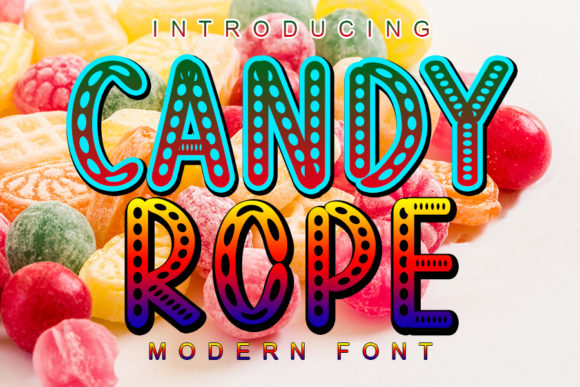
Candy Rope: A Joyful Display Font for Creative Expression
Candy Rope is more than just a font—it’s a visual experience. With its playful curves and whimsical design, it brings a sense of joy and charm to any project. Whether you're designing a logo, crafting social media graphics, or creating print materials, Candy Rope has the power to elevate your work with a unique and eye-catching aesthetic.
Why Choose Candy Rope?
Candy Rope stands out as a display font that blends creativity with usability. Its quirky style is perfect for branding, marketing, and personal projects where a touch of fun is needed. Unlike traditional fonts that can feel rigid or formal, Candy Rope adds an emotional layer to your designs, making them more engaging and memorable.
For creators looking to make their content stand out in a crowded digital space, Candy Rope offers a refreshing alternative. It’s especially effective in situations where you want to evoke feelings of nostalgia, playfulness, or celebration. From birthday invitations to promotional banners, this font has the versatility to fit a wide range of creative needs.
Common Mistakes When Using Candy Rope
While Candy Rope is a powerful tool, many users overlook key considerations when incorporating it into their designs. Understanding these common pitfalls can help you avoid unnecessary frustration and ensure your projects look their best.
- Overusing the font: Applying Candy Rope to every text element can dilute its impact. It’s best reserved for headlines, logos, or short phrases where it can shine without overwhelming the viewer.
- Ignoring readability: While Candy Rope is visually appealing, it can be difficult to read in larger blocks of text. Always test how it looks in different contexts before finalizing your design.
- Failing to pair wisely: Using Candy Rope with too many other decorative fonts can create visual clutter. Stick to a simple, clean typeface for body text to maintain balance and clarity.
- Not checking licensing: Some versions of Candy Rope may have restrictions on commercial use. Always review the font’s license agreement to ensure compliance and avoid potential legal issues.
How These Mistakes Affect Your Work
Misusing Candy Rope can lead to a variety of negative outcomes. Overuse can make your designs feel chaotic or unprofessional, while poor pairing choices can confuse your audience. Ignoring readability can result in a lack of engagement, as viewers may struggle to understand your message.
Licensing oversights can also be costly. If you’re using Candy Rope for a business project and it’s not permitted for commercial use, you could face fines or damage your brand’s reputation. Taking the time to research and understand the font’s terms of use is a small step that can save you from significant trouble down the line.
Practical Tips for Using Candy Rope Effectively
To get the most out of Candy Rope, consider these actionable strategies:
- Use it strategically: Save Candy Rope for headlines, call-to-action buttons, or short slogans. This ensures it makes a strong visual statement without overshadowing other elements.
- Test across platforms: Ensure your design looks great on both desktop and mobile devices. Fonts can behave differently depending on screen size and resolution.
- Combine with complementary styles: Pair Candy Rope with a modern sans-serif font for body text. This creates a balanced and professional look while still allowing your design to feel lively and unique.
- Consider color contrast: Use high-contrast colors to make Candy Rope stand out. Dark text on light backgrounds or vice versa can enhance legibility and visual appeal.
- Stay within your budget: Some premium versions of Candy Rope come with additional features like multiple weights or language support. Assess your needs before purchasing to avoid unnecessary expenses.
What to Check Before Using Candy Rope
Before incorporating Candy Rope into your projects, take a moment to evaluate a few key factors:
- Font compatibility: Ensure the font works well with your design software and export formats. Some fonts may not render correctly in certain applications.
- License agreement: Review the font’s terms of use to confirm whether it’s suitable for your intended purpose—personal, educational, or commercial.
- Visual consistency: Preview how Candy Rope interacts with other design elements. Does it complement your overall aesthetic, or does it clash with your brand identity?
- Performance impact: Large font files can slow down website loading times. Optimize your design to maintain speed and functionality without sacrificing style.
Conclusion
Candy Rope is a versatile and joyful font that can transform your creative projects. By understanding its strengths and limitations, you can use it effectively without falling into common traps. Remember, the goal is to enhance your message, not obscure it. With thoughtful application and attention to detail, Candy Rope can become a valuable asset in your design toolkit.