Creative: A Versatile Display Font for Modern Design
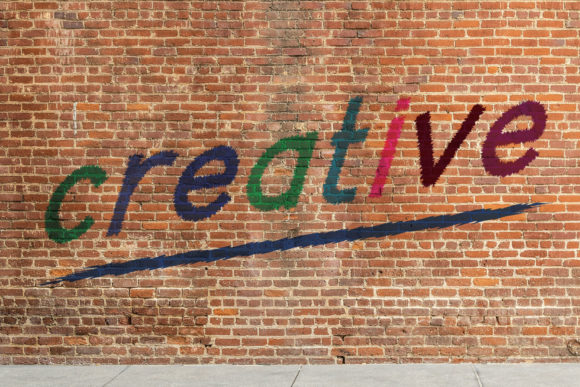
Creative is a display font that stands out in the world of typography with its unique blend of trendiness and readability. Designed to capture attention while maintaining clarity, it offers a fresh aesthetic that appeals to designers, creators, and content producers across various mediums. Whether you're crafting digital presentations, designing greeting cards, or creating visual content for social media, Creative provides a stylish yet functional option that adapts well to different contexts.
What Makes Creative Unique?
The standout feature of Creative is its balance between modern flair and legibility. Unlike some display fonts that can feel overly stylized or difficult to read at smaller sizes, Creative maintains a clean structure that works well in both large and moderate formats. This makes it particularly suitable for headlines, logos, and other prominent text elements where visual impact is key.
Its design incorporates subtle curves and distinctive letterforms that give it a contemporary edge without sacrificing usability. The font's versatility allows it to fit into a wide range of creative projects, from branding materials to web-based content. Its character set includes uppercase and lowercase letters, numbers, and special symbols, ensuring compatibility with most design workflows.
Comparing Creative with Similar Options
When evaluating Creative, it's useful to compare it with other display fonts that share similar goals but may have different strengths. Fonts like Montserrat or Roboto are known for their clean, modern look, but they tend to lean more toward sans-serif simplicity rather than the decorative flair that Creative offers.
In contrast, Creative is designed to stand out. It’s not meant for body text but excels in situations where bold typography is needed. For example, if you're creating a poster or a banner for an event, Creative can help your message pop without overwhelming the reader. However, if you need a font that works well across multiple sizes and applications, you might find Open Sans or Inter to be more practical choices.
Another consideration is the font's adaptability. While Creative is ideal for high-impact designs, it may not be the best fit for long-form content or technical documents. In such cases, a more traditional serif or sans-serif font could provide better readability and a more professional appearance.
Strengths and Tradeoffs
Creative shines in scenarios where visual interest is crucial. Its bold shapes and dynamic curves make it perfect for eye-catching headers, social media graphics, and promotional materials. It also supports multiple languages, which is a significant advantage for international projects or multilingual content creation.
However, its stylized nature means it may not always be the best choice for every project. For instance, when working on a website or app interface, a more neutral font might be preferable to ensure consistency and ease of reading. Additionally, Creative may require careful sizing and spacing to avoid appearing too busy or cluttered.
One of the biggest tradeoffs is its limited use case. While it's excellent for headlines and titles, it's not recommended for body text due to its decorative elements. This means users must be mindful of how they incorporate Creative into their overall design strategy.
Best-Fit Situations for Creative
Creative is particularly well-suited for the following types of projects:
- Graphic Design: Ideal for posters, flyers, and print materials where visual appeal is essential.
- Digital Content: Works well in social media posts, website banners, and video intros.
- Event Promotion: Perfect for creating eye-catching signage, invitations, and promotional displays.
- Branding: Can be used to reinforce a brand's personality with a unique, modern identity.
- Artistic Projects: Offers creative freedom for designers looking to experiment with typography.
In these situations, Creative helps elevate the visual presentation without compromising on clarity. Its ability to convey both style and substance makes it a valuable tool for designers who want to make a strong impression.
When to Consider Alternatives
While Creative has many strengths, there are instances where alternative fonts may be more appropriate:
- For Body Text: If your project requires extensive text, consider using a more readable font like Arial or Times New Roman.
- For Minimalist Designs: A simpler font like Helvetica or San Francisco may offer a cleaner, more professional look.
- For International Use: Ensure the font supports the necessary character sets for your target audience.
- For Web Applications: Test the font's performance across different browsers and devices to ensure consistency.
Ultimately, the decision to use Creative should be based on the specific needs of your project. By understanding its strengths and limitations, you can make an informed choice that aligns with your design goals.
Making an Informed Decision
Choosing the right font is about more than just aesthetics—it involves considering functionality, readability, and the overall message you want to convey. Creative is a powerful tool for those who want to add a touch of modernity and creativity to their work, but it's important to use it wisely.
Before finalizing your font selection, consider the context in which it will be used. Will it be part of a larger design system? How will it interact with other elements on the page? These questions can help guide you toward the best possible choice.
By exploring options like Creative and comparing them with other available fonts, you can build a design toolkit that meets your needs while maintaining a cohesive and visually appealing presence.