Grande: A Bold and Chunky Display Font That Elevates Your Design
When it comes to typography, the right font can make all the difference. Grande is a bold and chunky lettered display font that stands out in any design. Whether you're creating branding materials, social media graphics, or website headers, Grande offers a unique visual impact that can elevate your creative projects. But like any powerful tool, using Grande effectively requires some knowledge and attention to detail.
What Makes Grande Unique?
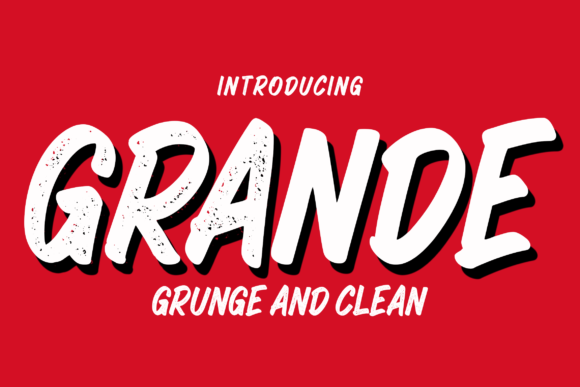
Grande is designed with a strong emphasis on boldness and readability. Its chunky, thick strokes give it a modern and dynamic feel, making it ideal for headlines, logos, and other prominent text elements. The font’s geometric structure ensures that it remains legible even at smaller sizes, which is a rare quality in display fonts.
One of the reasons people are drawn to Grande is its versatility. It works well across various mediums, from print to digital, and can adapt to different design contexts. Whether you're crafting a logo for a small business or designing an infographic for a marketing campaign, Grande can add a striking visual element without compromising clarity.
Common Mistakes When Using Grande
While Grande is a powerful font, many users make mistakes when choosing and applying it. Here are some common pitfalls:
- Using it everywhere: One of the biggest mistakes is overusing Grande in every part of a design. This can lead to visual fatigue and reduce the impact of the font where it matters most.
- Ignoring contrast: Grande is bold and chunky, so it needs sufficient contrast with background colors to remain readable. Failing to consider this can result in poor legibility, especially on dark backgrounds.
- Not checking licensing: Many users overlook the importance of font licensing. Grande may have specific usage rights, and using it without proper permission can lead to legal issues, particularly if it's used commercially.
- Misjudging spacing: The chunky nature of Grande means that spacing between letters and words must be carefully adjusted. Poor spacing can make the text look cluttered or unprofessional.
- Overlooking scalability: While Grande looks great at larger sizes, it may not scale as well at smaller sizes. Always test how the font appears at different sizes before finalizing a design.
How These Mistakes Affect Your Work
Each of these mistakes can have real consequences. Overuse of Grande can dilute its impact, making your designs less memorable. Poor contrast can lead to readability issues, especially on mobile devices or in low-light environments. Licensing oversights can result in costly legal problems, while improper spacing can make your work look unpolished or amateurish.
Additionally, ignoring scalability can affect the user experience. If your design includes text that needs to be viewed at smaller sizes, such as on a smartphone, Grande might become difficult to read, leading to a negative perception of your brand or content.
Practical Advice for Using Grande Effectively
To avoid these common mistakes, here are some practical tips for using Grande in your projects:
- Use it strategically: Save Grande for headlines, logos, and key text elements. Use more neutral fonts for body text to maintain balance and readability.
- Test contrast: Before finalizing a design, check how Grande looks against different background colors. Use tools like color contrast checkers to ensure optimal visibility.
- Review licensing terms: Always verify the license agreement for Grande. Some fonts come with restrictions on commercial use, resale, or modification. Make sure you’re using it within your rights.
- Adjust spacing carefully: Use a font editor or design software to fine-tune the spacing between letters and words. Proper spacing enhances legibility and aesthetics.
- Test at different sizes: Preview your design at various sizes to ensure that Grande remains clear and effective. This is especially important for digital content that will be viewed on multiple devices.
What to Check Before Using Grande
Before incorporating Grande into your project, take the time to evaluate the following:
- Font availability: Ensure that Grande is available in the format you need (e.g., OTF, TTF, WOFF). Some fonts may only be accessible through specific platforms or services.
- Compatibility: Check if Grande works well with your design software or platform. Not all applications support every font format.
- Performance: If you're using Grande on a website, test its performance across different browsers and devices. Slow loading times or rendering issues can negatively impact user experience.
- Aesthetic fit: Consider whether Grande aligns with your brand identity or design goals. It should complement, not overpower, the overall message.
- Legal compliance: Double-check the font’s licensing terms to ensure you’re using it legally, especially if you plan to sell or distribute your work.
Conclusion
Grande is a versatile and eye-catching display font that can enhance your creative projects. However, using it effectively requires careful consideration of context, contrast, licensing, and spacing. By avoiding common mistakes and following best practices, you can maximize the impact of Grande while ensuring a professional and visually appealing result.