The Paperback Font: A Unique Design Solution for Creative Projects
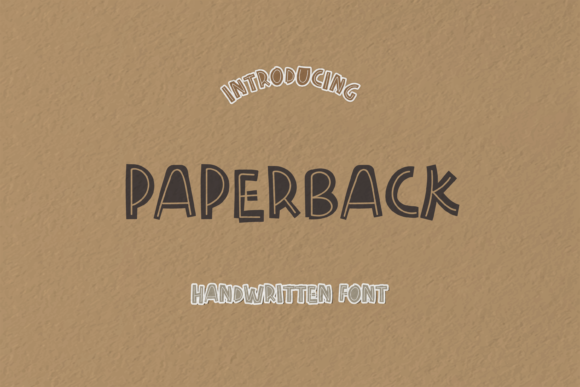
When it comes to typography, the choice of font can make or break a design. In the world of handmade crafts, digital projects, and branding, The Paperback stands out as a distinctive and versatile option. This double-layer handwritten display font brings a paper-like texture that feels both nostalgic and modern. Its unique characteristics make it ideal for a wide range of applications, from stationery and packaging to website headers and social media graphics.
What Makes The Paperback Stand Out?
The Paperback is more than just a font—it's an experience. Designed with a dual-layer approach, it combines the organic flow of handwriting with the clean lines of a structured typeface. This balance gives it a tactile quality that mimics the feel of actual paper, making it perfect for designs that aim to evoke a sense of warmth and authenticity.
One of the most notable features of The Paperback is its ability to maintain readability while still feeling handcrafted. Unlike many other handwritten fonts that can be difficult to read at larger sizes, The Paperback ensures clarity without sacrificing its artistic charm. This makes it suitable for both small text elements and large headings, depending on the context and desired aesthetic.
Additionally, the font’s double-layer structure allows for subtle variations in stroke thickness and spacing, which adds depth and visual interest. These details contribute to a more engaging reading experience, especially when used in creative layouts or storytelling formats.
Where Can You Use The Paperback?
The versatility of The Paperback means it can be applied in various contexts, each offering unique opportunities for creative expression. Here are some key areas where this font shines:
- Handmade Crafts: Whether you're creating greeting cards, scrapbook pages, or DIY home decor, The Paperback adds a personal touch that elevates the overall design.
- Branding and Packaging: For small businesses looking to stand out, using The Paperback in logos, product labels, or promotional materials can create a memorable brand identity.
- Digital Content: From website headers to social media posts, The Paperback can enhance the visual appeal of digital content while maintaining readability.
- Education and Learning Materials: Teachers and educators can use this font to create visually appealing worksheets, flashcards, or lesson plans that engage students in a more interactive way.
- Artistic Projects: Artists and designers often seek fonts that offer both style and substance. The Paperback provides a fresh alternative that can inspire new creative directions.
Advantages of Using The Paperback
Choosing The Paperback offers several practical advantages that make it a valuable addition to any designer’s toolkit:
- Readability: Despite its handcrafted appearance, The Paperback maintains excellent legibility, even at smaller sizes, which is crucial for effective communication.
- Visual Appeal: The font’s textured surface and layered strokes give it a unique look that can elevate the visual hierarchy of a design.
- Adaptability: Whether used in print or digital formats, The Paperback adapts well to different mediums and environments.
- Emotional Impact: The warm, paper-like feel of the font can evoke a sense of nostalgia and comfort, making it ideal for projects that aim to connect with audiences on an emotional level.
- Customization: With its layered structure, The Paperback offers flexibility in how it can be styled and integrated into different design workflows.
Considerations When Using The Paperback
While The Paperback is a powerful tool, there are a few considerations to keep in mind when incorporating it into your projects:
- Font Pairing: To ensure visual harmony, it’s important to pair The Paperback with complementary fonts that balance its handcrafted style with more structured typefaces.
- Color Contrast: The font’s texture can affect how well it stands out against certain background colors. Testing different color combinations is recommended to achieve optimal readability.
- Technical Compatibility: When using The Paperback in digital formats, ensure that it is properly embedded or linked to avoid issues with rendering or accessibility.
- Usage Rights: Always verify the licensing terms associated with the font to ensure compliance with any usage restrictions or requirements.
- Design Context: Consider the purpose and audience of your project before selecting The Paperback. While it may be perfect for a handmade greeting card, it might not be the best choice for a professional business report.
Real-World Examples of The Paperback in Action
To better understand how The Paperback can be applied in practice, let’s explore a few real-world examples:
In a recent project, a local bookstore used The Paperback to create custom book covers for their latest releases. The font’s paper-like texture helped reinforce the idea of a curated, artisanal collection, drawing in customers who appreciated the tactile quality of the design.
Another example comes from a small bakery that incorporated The Paperback into their menu signage. The font’s warm, inviting appearance complemented the cozy atmosphere of the shop, encouraging customers to linger and enjoy the experience.
For a digital platform focused on mindfulness and self-care, The Paperback was used in blog headers and social media posts. The font’s calming aesthetic aligned perfectly with the platform’s mission, helping to create a cohesive and emotionally resonant user experience.
Tips for Maximizing The Paperback’s Potential
If you’re considering using The Paperback in your next project, here are some tips to help you get the most out of this unique font:
- Start Small: Experiment with small text elements first to see how the font performs in different contexts before applying it to larger sections.
- Test on Different Devices: Ensure that The Paperback renders consistently across all platforms and screen sizes, especially if you plan to use it in digital content.
- Use It Strategically: Save The Paperback for key visual elements like headlines, call-to-action buttons, or signature touches rather than overusing it throughout the design.
- Combine with Other Elements: Pair The Paperback with images, illustrations, or textures to create a more dynamic and layered composition.
- Seek Feedback: Share your designs with others to gather insights and refine your use of the font based on real-world reactions.
By understanding the strengths and limitations of The Paperback, you can harness its potential to create designs that are both visually compelling and functionally effective. Whether you're a hobbyist, a professional, or a student, this font offers a unique opportunity to bring your creative vision to life with a touch of warmth and personality.