Flowery: A Versatile Display Font for Creative Expression
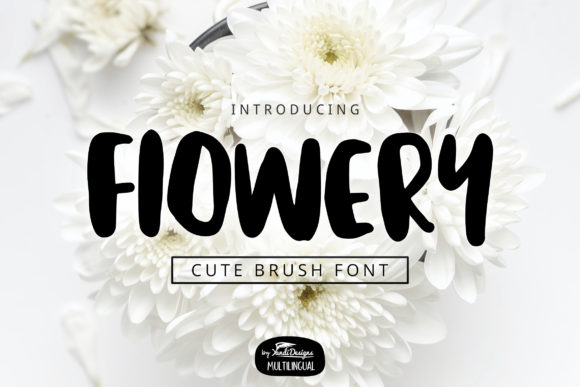
Flowery is a distinctive display font that stands out with its thick, lettered design and cute, stylized appearance. Designed to capture attention and add visual flair, it’s ideal for creative projects where aesthetics play a key role. Whether you're crafting content for social media, designing print materials, or enhancing digital assets, Flowery offers a unique way to elevate your work.
The Aesthetic of Flowery
At first glance, Flowery is immediately recognizable for its bold, rounded strokes and playful curves. The font maintains a consistent weight throughout, giving it a strong presence on the page. Its thick lettering adds a tactile quality, making it feel almost like hand-drawn text. This characteristic makes it particularly effective in settings where a sense of warmth and approachability is desired.
One of the standout features of Flowery is its ability to balance cuteness with professionalism. While it may seem whimsical at first, the font holds up well in more formal contexts when used appropriately. This duality allows it to be versatile enough for both personal and professional use.
Use Cases and Practical Applications
Flowery is especially suited for creative industries where visual impact is essential. For example, bloggers and content creators often use display fonts to make headlines pop. Flowery can serve as an excellent choice for titles, social media posts, or even website headers. Its thick, bold style ensures readability even at smaller sizes, which is a significant advantage in digital environments.
In the realm of print design, Flowery can be used for invitations, greeting cards, and promotional materials. Its playful nature aligns well with events such as weddings, birthdays, or product launches. However, it's important to consider the context in which it's applied. For instance, while Flowery works well in a casual setting, it might not be the best choice for corporate brochures or legal documents where a more serious tone is required.
For small business owners and entrepreneurs, Flowery can help create a brand identity that feels friendly and engaging. It’s particularly useful for branding elements like logos, signage, or packaging. When paired with complementary fonts for body text, Flowery can contribute to a cohesive and visually appealing design.
Strengths and Limitations
Flowery excels in situations where visual appeal takes precedence over functionality. Its bold, decorative style can draw attention and enhance the overall aesthetic of a project. Additionally, the font’s consistent stroke width ensures that each character remains legible and balanced, even when used in larger formats.
However, there are some limitations to consider. Flowery is not designed for extended text use. Its stylized form makes it less suitable for long paragraphs or technical documentation. In such cases, it may become difficult to read, especially when used without proper spacing or formatting.
Another consideration is the font's limited character set. While it includes a wide range of letters and numbers, it may lack support for certain special characters or symbols. This could be a drawback for users who require comprehensive typographic coverage for their projects.
Who Benefits Most from Flowery?
Flowery is most beneficial for individuals and businesses that prioritize visual creativity over strict typography standards. Content creators, graphic designers, and social media managers will find it particularly useful for crafting eye-catching visuals. Educators and publishers may also appreciate its use in creating engaging learning materials or promotional content.
Freelancers and independent artists can leverage Flowery to differentiate their work in a competitive market. Its unique style can help establish a distinct brand voice and visual identity. Additionally, hobbyists and DIY enthusiasts will enjoy using Flowery for personal projects, such as scrapbooking, card making, or custom merchandise.
Real-World Performance and Usability
In practice, Flowery performs well in most digital and print applications when used correctly. Its thick strokes and rounded edges ensure that it remains readable even at lower resolutions, making it a reliable choice for online content. However, it’s important to test the font in different environments to ensure it meets the specific needs of the project.
When integrating Flowery into a design, it’s advisable to pair it with a contrasting serif or sans-serif font for body text. This combination helps maintain clarity while allowing the display font to shine in key areas. Proper line spacing and alignment are also crucial to avoid overcrowding or misalignment of characters.
Flowery is available in multiple formats, including web-safe and downloadable versions, making it accessible across various platforms. Its compatibility with common design software such as Adobe Illustrator, Photoshop, and Canva further enhances its usability for professionals and hobbyists alike.
Conclusion and Recommendations
Flowery is a compelling choice for those seeking a visually striking display font that balances charm with functionality. Its thick, cute design makes it ideal for creative projects where aesthetics are a priority. However, it’s important to recognize its limitations, particularly when it comes to extended text use and character support.
If you're looking for a font that can elevate your creative output without sacrificing readability, Flowery is worth considering. It’s best suited for short-form content, branding, and design elements where visual impact matters most. By understanding its strengths and limitations, you can determine whether Flowery aligns with your goals and workflow.