Jalibar: A Bold and Friendly Display Font for Every Project
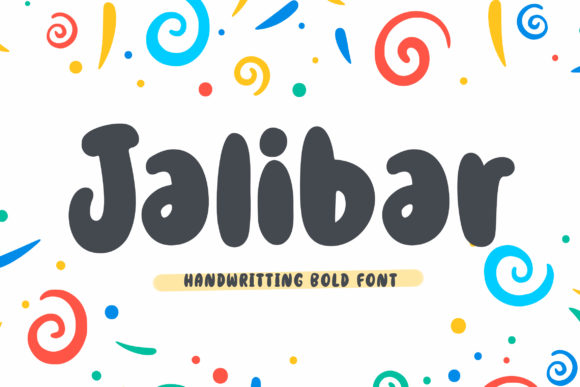
Jalibar is a display font that stands out with its thick, bold lettering and friendly character. It’s designed to make an immediate impact while maintaining readability and versatility. Whether you're creating logos, social media graphics, or branding materials, Jalibar can elevate your visual content with its unique style.
Why Choose Jalibar?
Jalibar isn’t just another font—it's a statement. Its boldness makes it perfect for attention-grabbing designs, but its friendly tone ensures it doesn't feel too aggressive. This balance makes it suitable for a wide range of applications, from print to digital media.
Its thick strokes give it a strong presence, making it ideal for headers, titles, and promotional materials. The font's design also allows for easy customization, which means you can tweak it to fit different styles without losing its core identity.
Common Mistakes When Using Jalibar
Even though Jalibar is versatile, there are common pitfalls users encounter when selecting and applying it. Understanding these mistakes can help you avoid unnecessary complications and ensure the best results.
- Misunderstanding its use cases: Some users apply Jalibar in contexts where it doesn’t fit well, such as body text or long paragraphs. This can lead to poor readability and a disjointed design.
- Ignoring font pairing: While Jalibar is bold, it needs to be paired with complementary fonts for balance. Using it alone in all text elements can overwhelm the viewer.
- Not checking licensing: Many users overlook the licensing details, which can result in legal issues if they’re using the font for commercial purposes without proper permission.
- Overlooking responsiveness: Designers sometimes forget that Jalibar may not render well on smaller screens or in certain environments, leading to inconsistent user experiences.
How These Mistakes Affect Your Work
Using Jalibar incorrectly can have several negative effects. Poor readability can reduce engagement, especially in digital formats where users skim content quickly. Inconsistent design choices can make your brand appear unprofessional, and legal issues can damage trust and credibility.
Additionally, ignoring font pairing can create visual clutter, making your design less appealing. Responsive design is crucial today, so failing to test how Jalibar looks across different devices can lead to missed opportunities or even lost customers.
Practical Tips for Using Jalibar Effectively
Here are some practical steps to help you get the most out of Jalibar without falling into common traps:
- Use it strategically: Save Jalibar for headlines, logos, and key messages rather than for large blocks of text. This maintains its impact while ensuring readability.
- Pair wisely: Combine Jalibar with lighter, more readable fonts for body text. For example, pair it with a sans-serif like Arial or Helvetica for a balanced look.
- Check licensing: Always review the font’s license agreement before using it commercially. Some fonts offer free personal use but require purchase for business applications.
- Test across devices: Ensure Jalibar renders consistently on desktops, tablets, and mobile devices. Use tools like Google Fonts or font testing websites to preview how it looks in different environments.
- Consider color contrast: Jalibar’s boldness works best with high-contrast backgrounds. Avoid using light text on dark backgrounds unless you're confident in the legibility.
Realistic Examples and Better Approaches
Imagine you're designing a website for a local bakery. You decide to use Jalibar for the header to grab attention. That’s great—Jalibar adds a stylish touch. However, if you use it for the entire site, including menu items and descriptions, the text becomes hard to read. Instead, pair Jalibar with a clean, modern sans-serif for the body text to maintain clarity and aesthetics.
Another example is a social media post for a tech startup. Using Jalibar for the headline draws the eye, but if you use it for the entire post, the message might become overwhelming. Stick to the headline and subheadings, allowing the rest of the content to breathe with simpler typography.
What to Check Before Using Jalibar
Before finalizing your decision to use Jalibar, consider the following:
- Intended use: Is Jalibar suitable for your project? Does it align with your brand’s voice and visual style?
- Licensing terms: Are you allowed to use it for your specific purpose? Do you need a commercial license?
- Compatibility: Will Jalibar work across all platforms and devices? Test it in different environments to ensure consistency.
- Font pairing: Have you selected complementary fonts to balance the design?
- Readability: Does Jalibar maintain legibility in the context where it will be used?
Conclusion
Jalibar is a powerful tool that can enhance your design projects with its bold, friendly style. However, like any font, it requires thoughtful application to achieve the best results. By avoiding common mistakes and following best practices, you can ensure that Jalibar becomes a valuable addition to your creative toolkit.