Kotaku: The Fun, Whimsical Font That’s Changing the Game
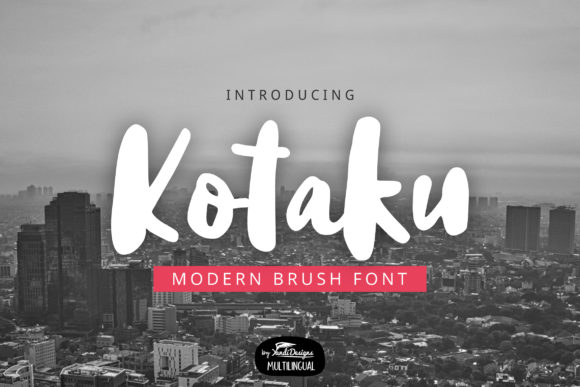
In a world where visual communication is key, typography plays an essential role in how messages are perceived and remembered. One font that has been making waves across creative industries is Kotaku. Known for its fun, whimsical, and thick lettered display style, Kotaku isn’t just another font—it's a statement. Whether you're designing digital content, crafting physical projects, or building brand identity, Kotaku offers a unique aesthetic that stands out.
What Is Kotaku?
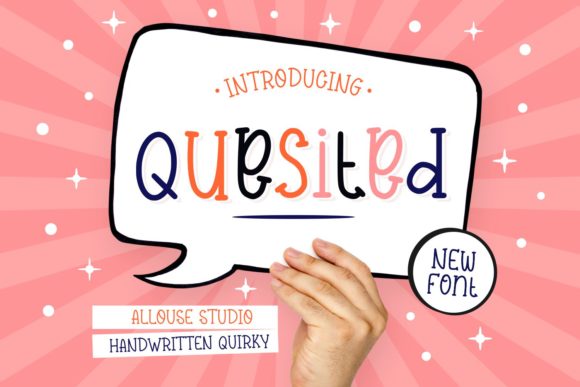
Kotaku is a bold, stylized typeface designed with a playful yet professional edge. Its thick, rounded letters give it a hand-drawn feel, while its strong outlines make it highly legible even at smaller sizes. This balance of charm and clarity makes it ideal for both digital and print media. The font is particularly popular among creators who want to add personality to their work without sacrificing readability.
The name “Kotaku” comes from the Japanese word for “cute,” which reflects the font’s approachable and endearing character. It’s not just about looking good—it’s about feeling good. This emotional connection is what sets Kotaku apart in a market flooded with generic typefaces.
Why Kotaku Matters in Today’s Creative Landscape
As the creative industry evolves, so do the expectations around design. Modern audiences crave authenticity and uniqueness—traits that many traditional fonts lack. Kotaku meets this demand by offering a fresh, expressive alternative that aligns with current trends in branding, marketing, and user experience design.
One of the most significant trends influencing design today is the shift toward personalization. Consumers no longer settle for one-size-fits-all visuals; they expect content that resonates on an emotional level. Kotaku helps brands and creators achieve this by allowing them to communicate in a more engaging and memorable way.
From Branding to User Experience
Kotaku’s versatility makes it a valuable asset in various applications. For instance, in branding, it can be used to create logos, packaging, and promotional materials that reflect a company’s personality. A tech startup might use Kotaku to convey innovation and approachability, while a lifestyle brand could leverage it to evoke warmth and community.
On the digital front, Kotaku is well-suited for websites, social media posts, and app interfaces. Its thick strokes and clean structure ensure it remains legible on screens, even when scaled down. This is especially important in mobile-first design, where readability is crucial for user engagement.
How Kotaku Fits Into Broader Industry Trends
Kotaku is part of a larger movement toward expressive typography that blends functionality with creativity. As digital content becomes more visual, the need for fonts that can convey emotion and personality has grown. This trend is evident in the rise of custom typefaces and the increasing popularity of hand-drawn styles in both web and print design.
Additionally, the growing emphasis on inclusivity and accessibility in design means that fonts like Kotaku—designed with clear outlines and strong contrast—are becoming more relevant. They help ensure that content is accessible to a wider audience, including those with visual impairments.
Practical Use Cases for Kotaku
- Marketing Materials: Kotaku works well for brochures, posters, and banners where a friendly, eye-catching look is needed.
- Digital Content: It’s perfect for headlines, call-to-action buttons, and social media graphics that require both impact and readability.
- Branding: Companies can use Kotaku to create a distinctive visual identity that differentiates them from competitors.
- Crafting and DIY Projects: From greeting cards to scrapbooking, Kotaku adds a touch of whimsy to handmade creations.
- Presentations: It’s ideal for slides that need to grab attention while maintaining professionalism.
For professionals and entrepreneurs, the ability to stand out in a crowded market is critical. Kotaku provides a powerful tool for doing just that. Its unique style allows creators to express themselves while still meeting the practical needs of their audience.
Why People Are Paying Attention to Kotaku
Kotaku has gained traction because it addresses a gap in the design world: the need for a font that is both stylish and functional. In an era where aesthetics often take precedence over usability, Kotaku strikes a rare balance. It’s not just about looking good—it’s about communicating effectively.
Moreover, the font’s adaptability makes it appealing to a wide range of users. Whether you’re a marketer looking to build brand awareness, a freelancer seeking to differentiate your work, or an enthusiast exploring new creative tools, Kotaku offers something valuable.
Changing Needs and Expectations
As workflows become more digital and remote, the demand for versatile, high-quality fonts has increased. Creators now need tools that can adapt to different platforms and formats. Kotaku fits this need by being compatible with a variety of software and devices, making it a reliable choice for both beginners and experts.
Another factor driving interest in Kotaku is the growing importance of storytelling in design. Fonts are no longer just about text—they’re about tone, mood, and message. Kotaku enables designers to craft narratives that resonate with their audience, whether through a product launch, a campaign, or a personal project.
Connecting Kotaku to Larger Developments
Kotaku is part of a broader shift in the creative industry toward more expressive and emotionally resonant design. This trend is supported by advancements in technology, such as AI-generated typography and customizable fonts, which allow for greater personalization and experimentation.
At the same time, there’s a growing recognition of the power of typography in shaping brand identity and user experience. As businesses and consumers become more aware of the impact of visual elements, fonts like Kotaku are gaining more attention as strategic assets.
Conclusion
Kotaku is more than just a font—it’s a reflection of the evolving relationship between design and communication. With its playful yet professional style, it offers a unique solution for creators who want to stand out in a competitive landscape. Whether you're crafting a logo, designing a website, or creating a greeting card, Kotaku provides the tools to make your message both memorable and meaningful.
As the creative industry continues to embrace innovation and expression, fonts like Kotaku will play an increasingly important role in shaping how we communicate visually. By choosing Kotaku, you’re not just selecting a typeface—you’re embracing a new way of thinking about design and storytelling.