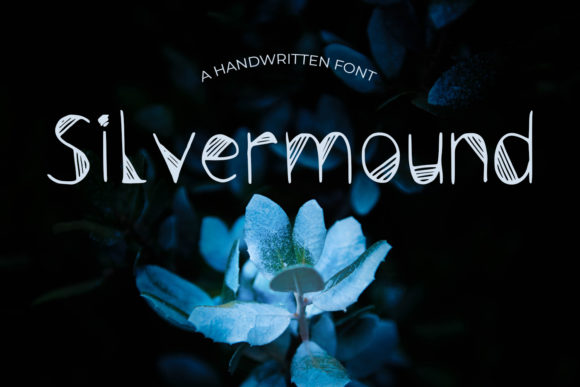
Silvermound: A Simple Yet Unique Display Font for Creative Expression
Silvermound is a display font that stands out for its clean lines, elegant curves, and versatile appeal. Designed to be both modern and timeless, it offers a fresh alternative to the usual suspects in the world of typography. Whether you're crafting digital content, designing presentations, or creating greeting cards, Silvermound can elevate your visual storytelling with its unique charm.
Why Choose Silvermound?
At first glance, Silvermound might seem like just another display font, but its simplicity and distinct character set make it a standout choice. It's not overly ornate, which makes it accessible for a wide range of applications. Its subtle elegance suits both professional and personal projects, from branding materials to social media graphics.
One of the key advantages of Silvermound is its adaptability. It works well in both small and large sizes, ensuring readability without sacrificing style. This versatility means you can use it confidently across different platforms and mediums, whether it's on a website, a printed flyer, or a digital presentation.
Common Mistakes When Using Silvermound
Despite its strengths, many users make mistakes when incorporating Silvermound into their design work. Understanding these pitfalls can help you avoid common issues and achieve better results.
Overlooking Readability
One of the most frequent errors is assuming that because Silvermound is a display font, it will always be readable. While it’s designed with clarity in mind, it’s still important to test how it performs at smaller sizes or in different contexts. For instance, using Silvermound for body text in a blog post may lead to legibility issues, especially on mobile devices.
Tip: Always preview your design at various sizes and resolutions. If you're unsure, consider using it as a heading or accent font rather than the primary text.
Misjudging Its Use Cases
Some designers mistakenly believe that Silvermound is only suitable for certain types of projects. In reality, its neutral tone and clean structure make it a great fit for a variety of creative tasks. However, it's important to recognize that it might not be the best choice for every scenario.
Example: If you're working on a project that requires a more playful or whimsical feel, Silvermound might fall short. In such cases, fonts like Bungee or Pacifico could offer a better match.
Better Approach: Evaluate the tone and purpose of your project before selecting a font. Consider how Silvermound aligns with your brand identity or message.
Ignoring Licensing Restrictions
Another common mistake is overlooking the licensing terms associated with Silvermound. Many fonts come with specific usage rights, and failing to adhere to them can result in legal complications. This is especially important if you plan to use the font commercially or distribute it in any form.
Checklist:
- Review the license agreement carefully.
- Determine if commercial use is allowed.
- Ensure you have the right to use the font in print or digital formats.
How to Use Silvermound Effectively
To get the most out of Silvermound, it's essential to use it thoughtfully and strategically. Here are some practical tips to help you apply it effectively:
Pair It Wisely
Silvermound works best when paired with complementary fonts. For example, combining it with a sans-serif font like Arial or Helvetica can create a balanced look. This contrast helps maintain readability while adding visual interest.
Pro Tip: Use Silvermound for headings or titles to draw attention, and pair it with a more traditional font for body text. This approach ensures your design remains both engaging and functional.
Test Across Devices
Before finalizing your design, test how Silvermound looks on different devices and screen sizes. Some fonts may appear differently on high-resolution displays versus lower-end screens, so it's crucial to ensure consistency.
Realistic Example: If you're designing a website, check how Silvermound renders on both desktop and mobile browsers. Adjust your layout if needed to maintain optimal performance.
Stay Updated
Fonts like Silvermound are often updated with new features or bug fixes. Staying informed about updates can help you take advantage of improvements and avoid potential issues.
Action Step: Subscribe to newsletters or follow font creators on social media to stay in the loop about new releases and updates.
Final Thoughts on Silvermound
Silvermound is a powerful tool for anyone looking to enhance their creative output. By understanding its strengths and limitations, you can use it more effectively and avoid common pitfalls. Remember, the goal is to create something that communicates clearly and beautifully—whether you're designing for business, education, or personal expression.
Before making a decision, always consider your project's needs, your audience's expectations, and the practicality of your choices. With the right approach, Silvermound can become a valuable asset in your design toolkit.